The Ghost Tournament: How the 2026 World Cup Priced Out the People Who Give It Life
Travel restrictions and expensive tickets are testing whether football's biggest event can still call itself a global celebration.
The World Cup has always been more than football. Its identity comes from the noise surrounding the matches: supporters crossing borders, filling public squares, and carrying the culture of their countries into the stadium.
The 2026 tournament promised more of that than ever. Forty-eight teams would compete across the United States, Mexico, and Canada. Instead, the event is showing how quickly a global celebration can become exclusive when border policy and ticket pricing work against the people who give it life.
The Fans Who Cannot Come
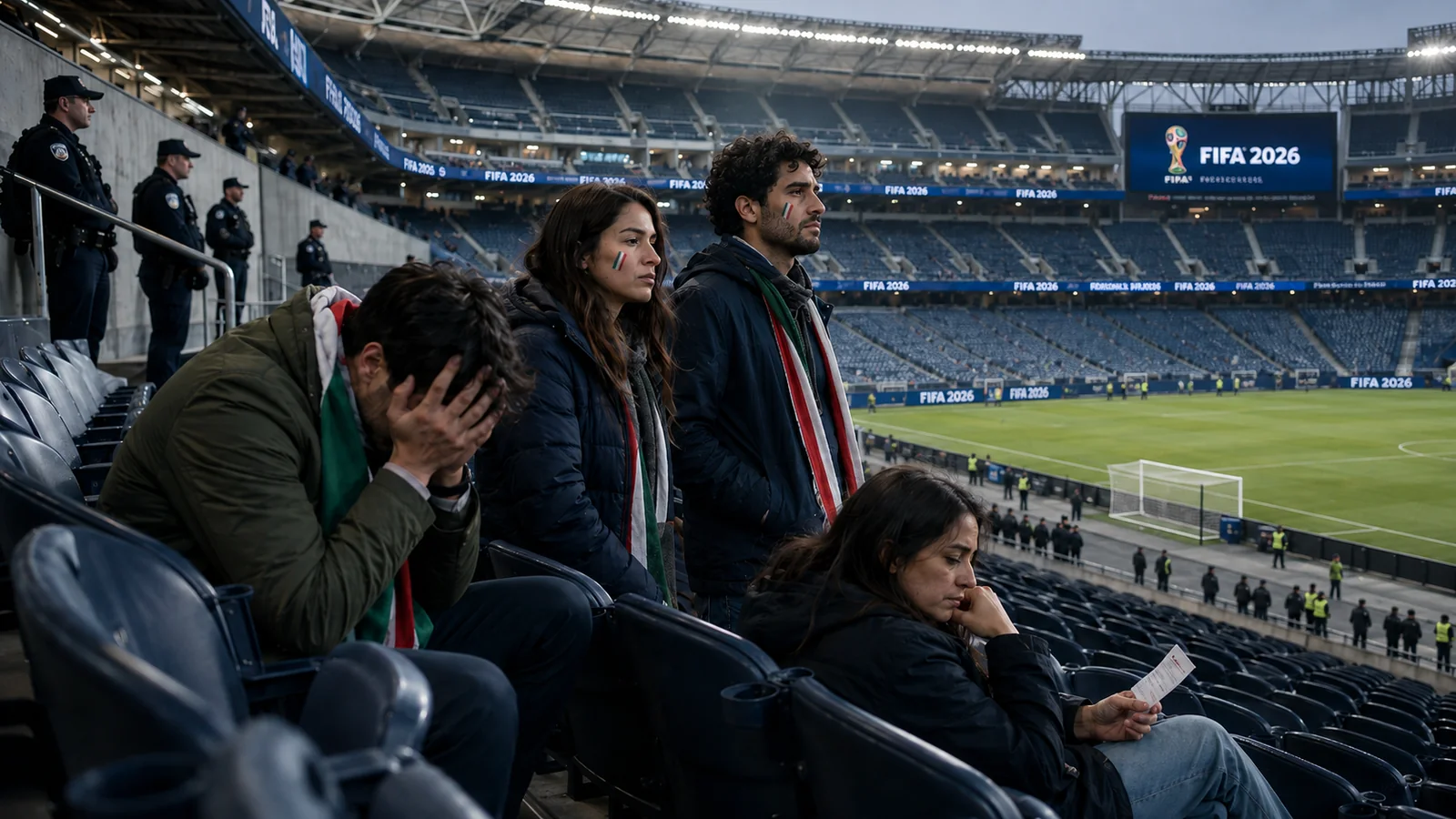
US travel restrictions have made attendance impossible or uncertain for supporters from several qualified countries. Players and essential team staff can receive exemptions, but ordinary fans do not automatically receive the same treatment.
The consequences extend beyond the stands. Omar Artan, selected to become the first Somali referee at a men’s World Cup, was removed after being denied a visa. Iranian football officials also faced restrictions, while supporters affected by US entry rules encountered barriers that wealthier visitors could navigate more easily.
The result is a contradiction at the heart of the event. Countries can qualify for the world’s tournament while many of their citizens remain unable to experience it in person.
A Tournament for Customers
Ticketing created a second barrier. FIFA’s variable pricing pushed many seats beyond ordinary supporters’ budgets. Organizers later acknowledged that the strategy had misjudged demand in parts of the market.
High prices do not necessarily leave every stadium empty. They change who occupies it. Corporate guests, hospitality buyers, and affluent local spectators can replace traveling supporters without hurting official attendance figures. The broadcast still looks polished, but the atmosphere becomes less international and less spontaneous.
That is what makes this a ghost tournament. The infrastructure is full-scale, the television audience is enormous, and the commercial machine continues to operate. Yet part of the event’s cultural presence is missing.
Why It Matters
FIFA presents the World Cup as a universal institution. That claim becomes difficult to defend when the host country’s border rules exclude supporters and the organizer’s prices exclude much of everyone else.
Security screening and commercial revenue are legitimate concerns. Neither is enough to explain away a tournament in which access depends increasingly on nationality, legal status, and disposable income.
The question is not whether the matches remain entertaining. It is whether a World Cup can retain its meaning after the public is treated less like a community and more like a filtered market.